Key takeaways
- Learn how to store books to prevent yellowing and mold: ideal humidity, shelving, desiccant use, step-by-step setup and what to do if mold appears.
The most reliable way to keep books from yellowing and growing mold is to store them somewhere cool, dark and dry, with steady humidity, good air circulation and no contact with damp walls or floors. Yellowing is chemical aging of paper, so storage can only slow it down. Mold is a moisture problem that storage can largely prevent. The sections below cover the conditions that matter, a step-by-step setup and what to do if you find damage.
This guide is based on published conservation guidance, manufacturer documentation and general knowledge. It is not a substitute for a professional conservator when a book is rare or valuable.
Why books yellow and why mold appears
Most mass-market paper contains lignin, a compound from wood pulp that darkens as it reacts with light, oxygen and warmth. Acidic residues left over from manufacturing speed the change, which is why older paperbacks often look brown at the edges while better acid-free paper stays pale for far longer. This is chemical aging, and it cannot be undone at home.
Mold needs three things: spores, a food source and moisture. Paper, cloth bindings and glue are good food, and spores are present almost everywhere in the air. That leaves moisture as the one factor you can control. Mold tends to appear when humidity stays high for days or weeks, or when a book touches a damp surface.
The two problems share a cause. Heat and humidity speed up both yellowing and mold. A stable, moderate environment is therefore the single most useful thing you can offer your books.
The conditions to aim for
Conservation guidance commonly points to moderate temperature and relative humidity roughly between 30 and 50 percent, kept as steady as practical. Large swings are harder on paper than a slightly imperfect but stable level. Light should be limited, particularly direct sun, which fades covers and darkens pages.
| Factor | Better | Riskier |
|---|---|---|
| Humidity | Roughly 30 to 50 percent, steady | Above 60 percent for long periods, or big seasonal swings |
| Temperature | Cool to comfortable room temperature | Attics, garages and rooms near heat sources |
| Light | Dim or shaded shelves | Direct sun on spines |
| Location | Interior walls, off the floor | Basements, exterior walls, below windows |
| Airflow | Gaps between books and wall | Tightly packed shelves against damp plaster |
The numbers are general guidance rather than a rule for every collection, so adjust for climate and for how valuable the books are.
Find out what your room is really doing
Guessing about humidity is the usual mistake. A basic digital hygrometer shows both humidity and temperature and costs little. Put it on the shelf where the books sit, not in the middle of the room, and read it over several weeks and across weather changes. Look at the highest and lowest readings, not just the average.
If readings stay in range, you may only need to tidy the shelves. If they run high, you need to solve the source of moisture first, whether that is a leak, a bathroom without ventilation or a basement. Treating the symptoms with products alone rarely works for long.
Check for a faint musty smell and for dampness on the wall behind the shelves. Smell is often the first sign that something is wrong.
Step-by-step: setting up safe storage
- Choose an interior room that stays at a comfortable temperature, away from bathrooms, kitchens, basements and exterior walls.
- Place a hygrometer on the shelf and watch it for a few weeks before moving a large collection in.
- Make sure books are fully dry and clean. Dust them gently with a soft brush before shelving.
- Keep bookcases a few inches from the wall so air can move behind them, and keep the bottom shelf off the floor.
- Stand books upright with moderate support, shelved neither too tight nor leaning. Lay oversized books flat.
- Avoid sticking tape, rubber bands, newspaper clippings and acidic bookmarks inside books, since they stain or transfer acid.
- Rotate or open books occasionally to let air reach the pages and to spot problems early.
This routine takes an afternoon and costs very little, and it addresses most of the risk factors at once.
Shelves, boxes and cabinets
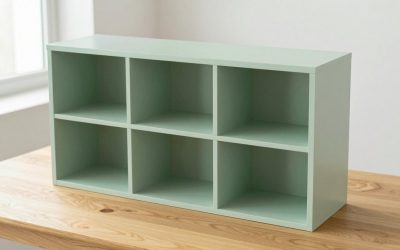
Open shelving gives the best airflow, which helps in moderate climates. Glass-front cabinets add protection from dust and light but can trap humid air, so they do better in rooms that are already stable. Closed boxes suit long-term storage, if you accept some trade-offs.
If you use boxes, pick sturdy, clean ones, ideally made from acid-free or archival-quality material when the books matter to you. Ordinary cardboard can be acidic and attracts pests, and sealed plastic bins can hold in moisture. Fill each box so books do not slump, but do not pack them so tightly that spines crack.
Wood shelving that is freshly varnished or painted can release fumes for a while, so let new furniture air out before loading it. Metal shelves are stable but can sweat in damp rooms, so check the surface for condensation.
Where desiccants fit
Silica gel and similar desiccants absorb moisture from the air, which makes them useful inside small sealed spaces such as a storage box or a closed cabinet. They are not a fix for a damp room, because they fill up and then stop working until they are recharged or replaced.
- Size the amount to the volume of the container, following the maker’s guidance.
- Keep packets from touching pages or covers.
- Replace or recharge them on the manufacturer’s schedule, and look for color-change indicators if they are included.
- Keep packets away from children and pets, and do not open them.
Plug-in dehumidifiers can help in whole rooms where humidity runs high, but they need emptying or draining and should be used with the instructions that come with them.
What to do if you find mold
Act quickly, but carefully. Mold can irritate the lungs, skin and eyes, so wear a dust mask and gloves, and work outdoors or in a ventilated area. Do not sniff the books to check them.
- Isolate the affected books so spores do not spread to the rest of the collection.
- Move them to a dry place with moving air, and let them dry fully.
- Dry-brush surface mold outdoors with a soft brush once the book is dry, then wipe tools clean.
- Avoid water, bleach and household sprays on pages, which can warp the paper and spread stains.
- Check the shelf area and fix the moisture source, or the problem will return.
Rare, valuable or heavily affected books should go to a professional conservator. Anyone with asthma, allergies or a weakened immune system should avoid handling moldy books and seek advice before cleaning.
Slowing yellowing in the books you already own
Yellowing cannot be reversed with household methods, and attempts to bleach or press pages usually do more harm than good. You can slow it by limiting light and heat, storing books away from windows and keeping humidity steady. Keep clean hands when handling, because skin oils leave marks.
For special volumes, consider archival sleeves, acid-free interleaving paper between fragile plates or clippings, and a snug archival box. Avoid rubber bands and old tape. These are small, inexpensive steps that suit a handful of favorites more than an entire library.
Related guides
- Book Stands For Hands-Free Reading
- Reading Glasses For Night Reading
- How Long Does A Kindle Battery Last
Frequently asked questions
What humidity is best for storing books?
Conservation guidance commonly suggests keeping relative humidity roughly between 30 and 50 percent, and as steady as possible, with moderate temperatures. Mold risk rises when humidity stays high for long stretches, and paper can turn brittle when air is very dry. A small hygrometer is an inexpensive way to see what your room actually does across the seasons before you decide what to change.
Why do old paperbacks turn yellow and smell musty?
Many paperbacks use acidic, lower-grade paper that darkens as lignin and residues break down, a process sped up by light, heat and moisture. The musty smell usually comes from damp conditions or early mold activity in the paper and glue. Yellowing itself is mostly chemical aging and cannot be reversed at home, but better storage can slow further change.
Are plastic bins a good way to store books?
Sealed plastic bins can protect books from dust, pests and spills, but they also trap any moisture already inside the books and can encourage mold in a damp room. If you use them, make sure the books are fully dry, choose a cool interior space, leave books upright or flat without crushing, and consider an acid-free interleaf or a silica gel packet sized for the bin.
Can mold be removed from books at home?
Light surface mold on a common book can sometimes be dry-brushed outdoors with a soft brush while wearing a mask and gloves, then the book can be kept in a dry place. Mold can irritate the lungs and skin, so avoid breathing spores, and do not use bleach or water on pages. For valuable, rare or heavily affected books, consult a professional conservator.
Do silica gel packets protect books?
They can help in a small enclosed space such as a sealed box or a glass-front cabinet by absorbing moisture, but they cannot control a whole damp room. Use packets sized for the volume, keep them from touching pages, and replace or recharge them according to the manufacturer’s instructions. They work best alongside steady room conditions rather than as a substitute.