Key takeaways
- Eight pairs for night reading compared: lighted DuanMei and SKYWAY readers, Valuu prism glasses, amber readers and driving bifocals flagged off-target.
If the goal is reading a paperback after the lights go low, the lighted readers are the closest match: DuanMei and SKYWAY build LED lights into the frame, so the page is lit without a lamp. The other listings solve different problems. Two are yellow-lens bifocals sold for night driving, one is a prism “lazy” pair for looking at a page or TV while lying flat, one is an amber blue-light reader, and one advertises automatic zoom. Because strength is baked into most of these, the number in the title matters as much as the style. Here is how the eight compare, with the off-target ones clearly labeled.
- Light built into the frame: DuanMei (two listings) and SKYWAY rechargeable.
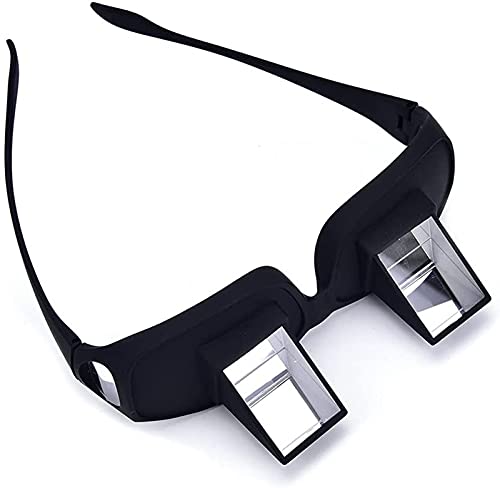
- Reading while lying down: Valuu prism glasses.
- Amber lenses before bed: THL SLEEP orange readers.
- Unusual pitch to verify: KLYNO-KLYNO auto focus pair.
- Not really for bedtime reading: ZERPEET and SKYOAK night-driving bifocals.
Quick comparison
Our top picks




As an Amazon Associate we earn from qualifying purchases at no extra cost to you.
| Model | Key point from the title | Best for |
|---|---|---|
| DuanMei lighted readers, +150 | Built-in LED lights, nighttime reading glasses, +150 | Lamp-free reading in a dim room |
| DuanMei lighted readers, +2.0 | Bright LED readers, compact full frame, +2.0 | Same idea, stronger power |
| SKYWAY rechargeable lighted readers | Rechargeable LED readers, listed as 2.0X | Readers who do not want to swap batteries |
| Valuu lazy prism glasses | Prism periscope lenses for reading and TV lying down | Reading flat on your back |
| THL SLEEP orange readers, +1.5 | Amber lenses, blue light blocking, +1.50 | Evening reading under screens or bright rooms |
| KLYNO-KLYNO auto focus, 2 pack | Automatic zoom, blue light blocking, strength not stated | Curious buyers who will verify the details |
| ZERPEET night-driving bifocals, 1.50x | Yellow lens bifocal, 2 pack, TR90, night driving | Driving, not bedtime reading |
| SKYOAK night-vision bifocals, +1.5x | Metal half frame, polarized, yellow lens, driving | Outdoor and driving use |
Each pair, in plain terms
DuanMei lighted readers, +150
The title describes bright LED readers with lights built in, aimed at nighttime reading, in a +150 strength. There is no way to read battery type or light brightness from the title, so look at the listing for how the lights are powered and switched. The lens power is fixed, which means this pair only helps if +1.50 is already your daytime reading number. Look for photos that show the light placement on the frame, because a light that sits too close to the nose bridge or temples can shine into your eyes rather than onto the page.
- Pro: Lights are part of the glasses
- Pro: Strength is stated in the title
- Con: Fixed +150 power only
- Con: Battery and brightness details are not in the title
Who it’s for: A reader who already uses +1.50 and wants light on the page without a bedside lamp.
DuanMei lighted readers, +2.0
This is a second DuanMei listing with a compact full frame, a +2.0 strength and the same lighted-magnifier idea. The title calls them nighttime readers with clear vision. Treat it as the stronger-power sibling of the +150 pair and check the page for how the light is switched on and what powers it. Choosing between the two is purely about strength: take the number that matches the pair you already read with comfortably.
- Pro: Strength is stated in the title
- Pro: Lighted design for dim rooms
- Con: Fixed +2.0 power only
- Con: Frame size is not given beyond “compact”
Who it’s for: Someone whose daytime reading strength is +2.00.
SKYWAY rechargeable lighted readers
SKYWAY’s title says rechargeable, LED, with lights, and gives the strength as 2.0X using full-width brackets, which looks like a formatting glitch. Rechargeable means no coin cells to replace, although the title does not state charge time or battery life. Confirm the exact diopter on the page, and look for a mention of the charging cable and how the lights turn on, since the title is silent on both.
- Pro: Rechargeable per the title
- Pro: Light built into the frame
- Con: Strength formatting in the title is unclear
- Con: Run time is not listed
Who it’s for: People who dislike swapping batteries and read most nights.
Valuu lazy prism glasses
These are not magnifiers. The title describes prism periscope glasses for reading and watching TV in bed while lying down, so the lenses redirect your line of sight rather than add power. That makes them a very different product from the others. Because they bend light, expect an adjustment period, and read the sizing and fit-over details on the listing. If you wear regular glasses, check the page for whether these can sit over them, because the title does not say.
- Pro: Purpose-built for lying-down viewing
- Pro: Unisex design per the title
- Con: No reading strength, so no magnification
- Con: Prism lenses can feel unusual at first
Who it’s for: Readers who spend long stretches flat on their back.
THL SLEEP orange readers, +1.5
Amber lenses, blue light blocking and a +1.50 strength; the title also references sleep and migraine, which are marketing claims we cannot evaluate. What the title does establish is a tinted pair at a stated power. Amber lenses change how colors look, so they are better for plain text than for illustrated books. Keep the number in mind too: +1.50 is a light strength, so confirm it matches what you use.
- Pro: Strength is stated in the title
- Pro: Tinted lens aimed at evening use
- Con: Color tint alters how pages look
- Con: Health claims in the title are not supported here
Who it’s for: Readers who want a tinted evening pair at +1.50.
KLYNO-KLYNO auto focus glasses, 2 pack
The title promises automatic zoom, night vision and blue light blocking in a two-pack for women and men, but gives no strength. That is a red flag for a reading product, because the whole point is the right lens power. Treat the technology claims with caution and read the listing carefully before buying. A two-pack is only a bargain if the lens power suits you, and without a stated number you would be guessing for both pairs.
- Pro: Two pairs in the pack
- Pro: Unisex positioning
- Con: No reading strength in the title
- Con: Auto focus and night vision claims are unexplained
Who it’s for: Only the curious; verify details before ordering.
ZERPEET night-driving bifocals, 1.50x (not a bedtime reader)
This is a driving product. The title describes a two-pack of TR90 sport-style bifocals with yellow lenses, anti-glare, for night driving at 1.50x. It sits in the keyword’s search results, but a driving bifocal is a different use, so it is listed as a runner-up. We include it for completeness, not as a recommendation for reading in bed. Because it carries a stated 1.50x, check how the near-reading portion is laid out before assuming it behaves like a standard single-vision reader.
- Pro: Two pairs in the pack
- Pro: Bifocal design named in the title
- Con: Aimed at driving, not reading in bed
- Con: Yellow tint changes colors
Who it’s for: Drivers who want a bifocal; not readers in bed.
SKYOAK night-vision bifocals, +1.5x (not a bedtime reader)
The title mixes polarized, yellow HD lens, half frame, driving and rain terms with a +1.5 bifocal reading power. Polarized and night-vision are two different pitches in one title, so read the listing carefully for what the lenses actually do. Another driving-oriented runner-up included to show what the search results contain. If you are shopping for a book-reading pair, skip it unless you also need the frame style for outdoor wear.
- Pro: Metal half frame named
- Pro: Bifocal power stated
- Con: Polarized and night-vision wording conflict
- Con: Aimed at outdoor and driving use
Who it’s for: Outdoor wearers who want bifocal power; not for bed.
How we picked these
We worked from the product titles, published specifications, manufacturer documentation and buyer reviews, and we did not handle the pairs. Nobody on the team used or measured these units. Every listing that reached the search results for this keyword is included so you can see how mixed the category is. Where a title is unclear, such as the KLYNO-KLYNO power or the SKYWAY formatting, we say so. Driving glasses are marked as runner-ups rather than ranked alongside lighted readers.
What to look for in glasses for night reading
Lens power comes first
Ready-made readers carry a fixed power such as +1.50 or +2.00. A pair with the wrong number will not help, however clever the extras. If you already use a pair you like in daytime, match the number. If you are unsure, an eye care professional can tell you what you need. Also note the format: some titles write +150, others +1.50 or 1.50x or 2.0X. They all describe a diopter strength, but inconsistent formatting is a reason to double-check the listing text.
Light on the page versus light on the frame
Built-in LEDs light only what you look at, which suits shared bedrooms. Check whether the light is battery-powered or rechargeable, and whether it can be switched off, since a glowing frame can annoy a partner. Two small lights close to the lens can also reflect off glossy paper or a tablet screen, so check the angle of the book on the day they arrive.
Tinted lenses and prism lenses change the experience
Amber and yellow lenses alter colors. They can be fine for black text on white paper, but less pleasant for photo-heavy books or covers. Prism lenses work differently again: they shift where you look, which is why they are sold for lying down and not for sitting at a desk.
Work out the best fit for your routine
Example: a reader who reads fifteen minutes before sleep on a paperback, already uses +1.50 in daytime, and shares a room. A lighted +150 pair fits that setup: it matches the known strength, lights the page and avoids the bedside lamp. A reader who lies flat for long stretches might prefer prism lenses instead, in which case power is not the question.
- Write down your usual reading strength.
- Decide whether you read sitting up or lying flat.
- Decide whether a partner shares the room.
- Pick the category first, the brand second.
Mistakes buyers make
Buying a pair for the extras without checking the power is the big one. Others: assuming a driving bifocal works for books, expecting prism lenses to magnify, and trusting health claims in a listing title. Also skip any pair whose strength you cannot find on the page.
Verdict
For night reading the lighted DuanMei and SKYWAY pairs are the closest fit, as long as their fixed strength matches yours. Valuu is the choice for lying flat, THL SLEEP for tinted evening reading, and the two driving bifocals and the KLYNO-KLYNO pair should be treated with care.
Related guides
- How To Store Books To Prevent Yellowing And Mold
- Book Stands For Hands-Free Reading
- How Long Does A Kindle Battery Last
Frequently asked questions
Do lighted reading glasses work for bedtime reading?
They put a small light on the page, so you can read without a lamp. Check whether the light is battery or rechargeable and whether it switches off. The lens power is fixed, so it needs to match the strength you already use in daytime reading. Look at the listing photos for the light placement, and confirm the product has a way to switch the light off when you do not need it.
Are night-driving bifocals good for reading in bed?
They are sold for driving, with yellow lenses and bifocal sections, so they are a poor match for a book in bed. The ZERPEET and SKYOAK listings appear in the results but are included here only as clearly labeled runner-ups. If your main need is reading in bed, concentrate on the lighted readers and the prism pair instead.
What are lazy prism glasses?
The Valuu title describes prism periscope lenses for reading or watching TV while lying down. They redirect your line of sight instead of adding magnification, so they do not replace a reading strength if you need one. Some people use them over regular glasses, but the title does not say, so check the listing first.
Do amber lenses change how pages look?
Yes. A tinted lens shifts colors, which matters less for black text on white pages and more for illustrated books. The THL SLEEP listing is orange and states +1.50, so check that against your own strength. Many people prefer tinted lenses for plain text in the evening, but the choice is personal and the listing does not promise any outcome.
How do you know which strength to buy?
Use the number from a pair you already read comfortably with, or ask an eye care professional. Ready-made readers have fixed power, so a pair with the wrong number will not help. Avoid listings that omit the strength entirely, such as the KLYNO-KLYNO title. When a number is shown in an unusual format, as in the SKYWAY title, confirm it in the product details.