Key takeaways
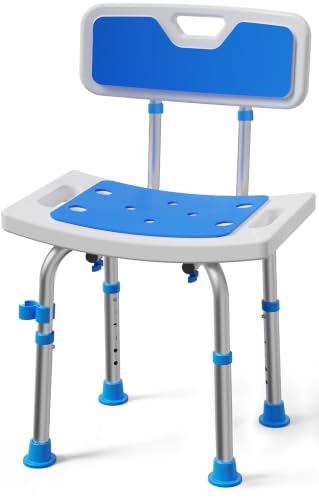
- Weight capacity: every maker lists a maximum user weight. Choose a chair with a rating comfortably above the user’s weight, and consider a bariatric model when in doubt.
- Adjustable height: legs usually adjust in steps. The seat should let the user’s feet rest flat with knees about level with hips, and make standing up easier.
- Non-slip feet: rubber tips with suction or a textured grip reduce movement. Replace worn tips when they crack or flatten.
- Back and armrests: a back adds stability; arms give something to push from when standing. Removable arms ease side transfers.
- Seat design: contoured seats with drainage holes feel more secure than flat panels. Padded seats feel warmer but can hold water and need more drying.
- Frame material: anodised aluminium is light and rust-resistant; some models use plastic or steel components. Rinse and dry the frame to prolong its life.
For most people who need to sit while showering, a four-legged shower chair or bench with a back and adjustable-height legs from a medical-supply maker such as Drive Medical, Medline or Carex is the safest starting point, while anyone who finds it hard to step over a tub wall should consider a transfer bench instead. This guide explains the main designs, what makers state about weight capacity and fit, and how to match a chair to your bathroom. It is general information, not medical advice: an occupational therapist or doctor can recommend the right equipment for your condition.
Our top picks


As an Amazon Associate we earn from qualifying purchases at no extra cost to you.
Shower Chairs at a Glance
| Type | Best for | Typical stated features | Limits |
|---|---|---|---|
| Shower chair with back and arms (Drive Medical, Medline, Carex) | Users who need support getting up and sitting down | Makers list adjustable leg height, rubber-tipped feet, drain holes, and a weight capacity | Wider footprint; needs a roomy tub or stall |
| Shower stool or backless bench | Small stalls, short showers, users with good balance | Light aluminium frame, non-slip tips, compact | No back support; not suited to unsteady users |
| Transfer bench (Drive Medical, Medline, others) | Tub users who cannot step over the wall | Two legs sit outside the tub, two inside; some include a back or commode opening | Requires space beside the tub; curtain handling is trickier |
| Wall-mounted fold-down seat (Moen Home Care, others) | Permanent installations in walk-in showers | Folds flat when not in use; must be fixed to wall studs or blocking | Needs professional installation; not portable |
| Bariatric shower chair | Heavier users | Wider seat and reinforced frame, higher weight rating | Larger footprint; check tub width |
Choosing by Bathroom Type
Bathtub with a shower
If you must step over a tub wall, a standard shower chair placed in the tub may still require a risky step. A transfer bench lets you sit outside the tub, then slide in. Check the tub rim width: makers state the bench dimensions and the range of tub widths it accommodates. A curved or tapered tub may need a bench with adjustable legs.
Walk-in or roll-in shower
Walk-in showers suit freestanding shower chairs, stools or a wall-mounted seat. If the floor slopes toward the drain, look for legs that adjust individually, because uneven legs make a chair rock. Drain holes in the seat prevent pooled water.
Small stalls
Compact stools or corner seats fit narrow spaces. A fold-down wall seat leaves the stall open, which helps caregivers or those who use a walker to approach the shower.
Features That Matter
- Weight capacity: every maker lists a maximum user weight. Choose a chair with a rating comfortably above the user’s weight, and consider a bariatric model when in doubt.
- Adjustable height: legs usually adjust in steps. The seat should let the user’s feet rest flat with knees about level with hips, and make standing up easier.
- Non-slip feet: rubber tips with suction or a textured grip reduce movement. Replace worn tips when they crack or flatten.
- Back and armrests: a back adds stability; arms give something to push from when standing. Removable arms ease side transfers.
- Seat design: contoured seats with drainage holes feel more secure than flat panels. Padded seats feel warmer but can hold water and need more drying.
- Frame material: anodised aluminium is light and rust-resistant; some models use plastic or steel components. Rinse and dry the frame to prolong its life.
Budget Tiers
Budget tier
Basic stools and simple bench chairs cover the essentials: height adjustment, rubber feet and a modest weight rating. They suit short-term recovery and light use. Reviewers often note that the seat can feel hard and that backless models offer less stability.
Mid-range tier
Mid-range chairs add backs, arms, contoured seats and higher weight limits. This tier fits most long-term users and covers most Drive Medical, Medline and Carex designs.
Premium tier
Premium options include padded seats, swivel seats, folding wall-mounted units and heavy-duty bariatric frames. They cost more but may reduce effort for users with limited mobility or for caregivers.
Pick X If… Decision Table
| Pick this | If you… |
|---|---|
| Shower chair with back and arms | need support standing and sitting in a roomy shower |
| Backless stool | have decent balance and a tight stall |
| Transfer bench | shower in a tub and struggle with the wall |
| Wall-mounted fold-down seat | want a permanent solution that frees floor space |
| Bariatric shower chair | need a higher weight rating and wider seat |
| Padded or swivel seat | find a hard seat uncomfortable or need easier turning |
Safety and Setup Notes
Read the manual before first use and set up the chair on a dry, flat surface. Make sure all four feet rest evenly and the height locks are fully engaged; a partly engaged locking pin can let a leg slip. Do not exceed the stated weight capacity, and do not use the chair as a step stool. Wall-mounted seats must be fixed to solid framing and installed by a qualified person, since tile alone will not carry the load. Keep a non-slip mat in the shower, use a handheld shower head within reach, and consider grab bars installed to code. Rinse soap residue off the seat after use, because it can make the surface slippery. Replace any chair with cracks, bent legs or worn tips.
Shower chairs do not replace professional assessment. People with dizziness, balance problems, recent surgery or fall history should speak to a doctor or occupational therapist about the right equipment and bathroom changes. If a carer helps, ask a healthcare professional to show safe transfer techniques.
Care and Maintenance
Wipe the frame and seat with mild soap after use and let it dry. Avoid abrasive cleaners that scratch aluminium or plastic. Inspect the rubber tips monthly, tighten any screws the manual says to check, and store folding models fully dry. Some mould and mildew can build under seat edges, so lift or rinse these areas regularly.
Alternatives to Consider
- Grab bars and handheld shower heads: reduce the need to stand and reach, and work well alongside a chair.
- Tub cut-outs or curbless showers: a longer-term renovation for those who struggle with tub walls.
- Bath lifts: powered seats that lower into the tub; these need electrical safety checks and professional installation, so consult an electrician and the maker instructions.
Shortlist in Three Steps
- Measure the tub width, shower floor and doorway, and note the user’s weight and mobility needs.
- Choose the type: chair, stool, transfer bench, or wall-mounted seat.
- Compare weight rating, adjustability, non-slip tips and warranty from the maker pages, then read independent reviews.
Who Should Be Involved in the Decision
Shower safety is a shared decision. The user knows their comfort and limits, a carer knows how transfers work in practice, and an occupational therapist or doctor can assess balance, strength and the layout of the bathroom. Many health services offer a home safety assessment, and some will loan basic equipment for a short period. Bring photos and measurements of the bathroom to that conversation, including the tub width, rim height, shower floor size and distance to the nearest wall.
Common Mistakes to Avoid
One mistake is setting the seat too low, which makes standing difficult and puts strain on knees. Another is buying a chair that is too wide for the stall, which then leaves no room to move. People also forget the shower curtain or door: a transfer bench may need a split curtain or a bench-compatible shower door. Finally, avoid improvising with kitchen or garden chairs, which are not designed for wet, soapy surfaces and may slip or rust.
Frequently Asked Questions
What is the difference between a shower chair and a transfer bench?
A shower chair sits entirely inside the shower or tub. A transfer bench has two legs outside the tub so the user sits first, then slides over the wall. It suits people who cannot safely step over.
How do I know the weight capacity I need?
Check the maker listing and choose a rating comfortably above the user’s weight. Standard chairs and bariatric models are rated differently, so read the specification, not just the product title.
Can I use a shower chair in any tub?
Not always. Measure the tub floor width and rim, and compare it with the maker dimensions. Curved tubs and narrow stalls may need a stool or a compact model.
Should the shower chair have a back?
A back adds stability, especially for people with weak core muscles. A backless stool is lighter and fits small spaces but gives less support. An occupational therapist can advise on which suits you.
How often should I replace the rubber tips?
Inspect them regularly and replace them when they look worn, cracked or flat. Replacement tips are often available from the chair maker.
Does insurance cover shower chairs?
Coverage varies by plan and country, and many policies treat basic bath safety items differently from prescribed equipment. Ask your insurer or healthcare provider before buying.