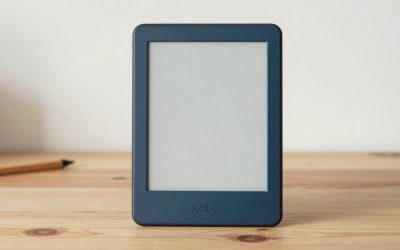
The publishing landscape has shifted dramatically over the past decade, and at the center of that transformation stands a growing community of independent authors who have taken creative and financial control of their work. Once marginalized by traditional publishing houses, self-published and indie writers now command significant readerships, produce genre-defining series, and challenge long-held assumptions about what it means to be a professional writer in the modern era.
This movement is not simply a reaction to rejection letters or slow acquisition timelines. It represents a fundamental rethinking of how books reach readers, how stories are marketed, and how authors build sustainable careers outside the conventional gatekeeping structures that once dominated the industry.
Our top picks

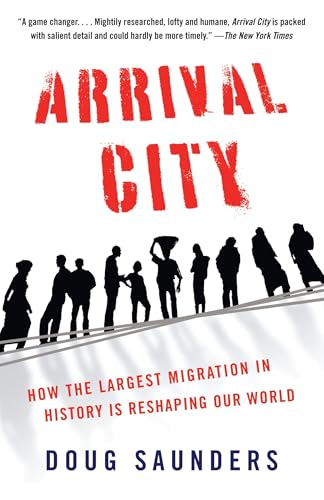




As an Amazon Associate we earn from qualifying purchases at no extra cost to you.
The Rise of Author-Led Creative Control
Traditional publishing offers editorial guidance, distribution networks, and advance payments, but it also demands compromise. Acquisition editors may request revisions that alter tone or structure, marketing departments may repackage covers without author input, and publication schedules are often dictated by seasonal catalogs rather than creative readiness.
Independent authors bypass these constraints entirely. They choose their cover designers, set their publication dates, determine pricing tiers, and decide which genres to explore next. This autonomy has attracted writers from diverse backgrounds, including journalists, educators, hobbyists, and career novelists who left traditional houses specifically to reclaim ownership of their intellectual property.
The result is a wider variety of voices entering the market. Stories that publishers once deemed too niche, too experimental, or too culturally specific for mainstream catalogs now find eager audiences through indie channels. Readers benefit from this diversity, and many have become deliberate supporters of independent writers as a way to ensure the literary ecosystem remains vibrant and inclusive.
How Digital Platforms Changed the Economics of Authorship
The infrastructure that makes independent publishing viable has matured considerably. E-book retail platforms, print-on-demand services, and digital distribution networks have removed the capital barriers that once made self-publishing financially prohibitive for most writers. Authors no longer need to order thousands of physical copies or negotiate with warehouse distributors to put a book into circulation.
Instead, they can publish a manuscript, set a price, and reach global readers within days. Marketing tools once available only to publisher-sponsored titles are now accessible at every budget level. Email newsletters, reader magnet campaigns, social media communities, and collaborative promotions between authors have created viable discoverability pathways that do not depend on bookstore placement or traditional reviews.
Revenue models have diversified as well. Subscriptions, audiobook partnerships, serialized fiction platforms, and crowdfunding campaigns provide income streams that traditional publishing rarely offers to debut authors. Many independent writers report that their per-unit earnings exceed what they would receive in royalties from a major house, even after accounting for the costs they absorb themselves.
Community Building and the New Author Economy
Perhaps the most significant development in independent authorship is the emergence of strong peer communities. Writers share marketing strategies, critique each other’s manuscripts, collaborate on cross-promotions, and advocate for readership loyalty through direct engagement. These networks function as informal professional associations, offering mentorship, resources, and collective bargaining power that individual indie authors might not achieve alone.
Author communities on social media have also shifted how readers discover new books. Recommendations shared between friends and followings of dedicated fans often carry more weight than traditional advertising or critic endorsements. Independent authors who invest in genuine relationships with their audience tend to build loyal readerships that support multiple titles across a career.
What This Means for the Future of Books
Traditional publishing is not disappearing, nor should it. Major houses still produce works of extraordinary editorial quality and reach audiences that independent authors cannot always access alone. However, the monopoly on legitimacy that publishers once held has eroded. Readers increasingly judge books by their quality and relevance rather than by the imprint on the spine.
For aspiring writers, the message from this evolution is clear: viable paths to authorship are more numerous than ever before. Whether choosing a traditional deal, an independent route, or a hybrid approach that combines elements of both, the modern literary marketplace rewards adaptability, creative confidence, and a genuine connection to readers. The age of the single acceptable way to become a published author has passed, and the consequences are enriching literature for everyone.