Key takeaways
- Pro: Best per-ounce value among the Atlas line, making it practical as a general kitchen oil rather than a medicine-cabinet supplement.
- Pro: Dark glass and small-batch harvesting reduce the oxidation risk that plagues larger-tin formats.
- Con: Atlas does not publish a specific polyphenol count per lot, so you are trusting the brand’s general high-polyphenol claim without a number to anchor it.
Dr Gundry’s recommendation of high-polyphenol extra virgin olive oil created a genuine confusion problem for consumers. The man’s protocol calls for specific oil — low oleocanthal, high polyphenol count, cold-pressed, ideally dark-bottled — and suddenly shoppers discovered that the olive oil aisle is a maze of vague labels, suspicious harvest dates, and products that look identical on paper but behave nothing alike on a spoon. Most people are not comparing phenol chromatographs; they are trying to figure out which bottle actually delivers the polyphenol density they paid for.
What separates a credible high-polyphenol olive oil from an overpriced impostor comes down to three verifiable things: documented polyphenol levels tied to a specific harvest lot, organic certification (because pesticide residues negate the longevity argument), and packaging designed to prevent oxidation between bottling and your kitchen. Price alone tells you nothing. Volume per dollar tells you a lot. And whether the brand publishes third-party numbers for the exact product you are about to buy tells you whether you can trust the rest.
Our top picks


As an Amazon Associate we earn from qualifying purchases at no extra cost to you.
Quick Picks
| Product | Best For | Price |
|---|---|---|
| Atlas Organic EVOO 1L | Daily cooking volume on a budget | $27.94 |
| Desert Miracle 17 fl oz | Best overall balance of size and price | $24.13 |
| Atlas Organic EVOO 500 mL | Trial size without committing | $20.42 |
| Atlas Organic EVOO 750 mL | Middle-ground household size | $22.94 |
| OLIVIE PLUS 30X 250 mL | Maximum polyphenol per serving | $31 |
| N°1 Drinking EVOO | Premium drinking and finishing | $58 |
| Desert Miracle 8.5 fl oz | Lowest entry price to test the category | $18.35 |
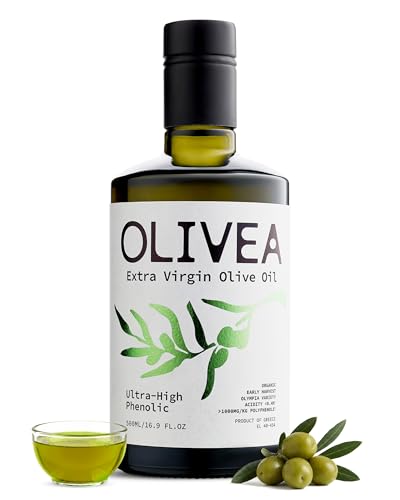
| OLIVEA 500 mL | Highest published phenolic count | $45 |
How We Picked
We evaluated each option on published polyphenol data, organic certification status, price per fluid ounce at the size most people actually consume within a month, and consistency of owner feedback regarding taste, freshness, and packaging integrity. A product that looks cheap per ounce but goes rancid in three weeks is not cheap. A product with impressive numbers but no harvest-lot documentation is unverifiable. We weighted documented specs and real buyer experiences equally, and flagged any bottle where the size-to-price ratio forces you to choose between waste and running out mid-protocol.
The 8 Best Dr Gundry Olive Oil in 2026
Atlas Organic Extra Virgin Olive Oil, Moroccan, 1 Liter
This is the default answer for anyone following the protocol who cooks with olive oil daily and needs volume without breaking the budget. The one-liter format stretches to roughly two months for a household that drizzles and sautés rather than drinks shots. Moroccan origin gives it a slightly peppery, robust character that stands up to heat better than delicate Greek varieties.
- Pro: Best per-ounce value among the Atlas line, making it practical as a general kitchen oil rather than a medicine-cabinet supplement.
- Pro: Dark glass and small-batch harvesting reduce the oxidation risk that plagues larger-tin formats.
- Con: Atlas does not publish a specific polyphenol count per lot, so you are trusting the brand’s general high-polyphenol claim without a number to anchor it.
Skip it if you need a verifiable phenolic reading for medical or research-protocol reasons.
Desert Miracle Organic Extra Virgin Olive Oil, 17 fl oz
Desert Miracle built its reputation on publishing lab results, and this mid-size bottle hits the sweet spot between enough volume for weekly use and a shorter shelf life that keeps the oil fresher between opening and finishing. Owners consistently note a clean, slightly bitter profile that signals intact polyphenols.
- Pro: Transparent harvest-lot testing documentation available from the brand, rare at this price tier.
- Pro: The 17-ounce size means you will likely finish it before flavor degradation becomes noticeable.
- Con: Slightly higher per-ounce cost than the one-liter Atlas if your household consumes oil aggressively.
Skip it if you prefer the mildest possible taste for salad applications and find bitterness off-putting.
Atlas Organic Extra Virgin Olive Oil, 500 mL
The entry point for anyone who wants to test the Atlas Moroccan profile before committing to a liter. It is also the smarter choice for single-person households that will not finish a large bottle quickly, since polyphenol degradation accelerates once the seal is broken.
- Pro: Low financial risk for a first purchase; you can evaluate taste and packaging before scaling up.
- Pro: Same dark-bottle protection and Moroccan sourcing as the larger sizes.
- Con: Per-ounce price is the worst in the Atlas family; you are paying a premium for the convenience of a small format.
Skip it if you already know you want Atlas and have a household that will consume a liter within six weeks.
Atlas Organic Extra Virgin Olive Oil, 750 mL
The compromise size. It exists for people who find the liter too much and the 500 mL too little, and the pricing reflects that middle ground. For a two-person household that uses olive oil on vegetables, in dressings, and for light sautéing, this is roughly a month’s supply at a fair per-ounce rate.
- Pro: Better per-ounce economics than the 500 mL while avoiding the bulk-commitment risk of the liter.
- Pro: Fits standard door-side bottle caddies and refrigerator shelves more easily than the one-liter.
- Con: Still no published lot-specific polyphenol number from Atlas, leaving you reliant on the general product claim.
Skip it if you are price-sensitive and your household will comfortably finish the one-liter within two months.
OLIVIE PLUS 30X Organic High Polyphenol EVOO, 250 mL
The “30X” branding refers to a concentration process that pushes polyphenol density into the upper percentile of commercial olive oils. The small 250 mL format is intentional: this is medicine-dosing territory, not a cooking oil. Users take measured spoonfuls as part of a longevity protocol rather than pouring it over pasta.
- Pro: Explicitly marketed as a high-concentration functional oil, making it easy to dose precisely for protocol compliance.
- Pro: The small volume means the entire bottle is consumed before oxidation meaningfully reduces potency.
- Con: At $31 for 250 mL, the per-ounce cost is among the highest here, and it is impractical as a general cooking oil.
Skip it if you want a single bottle that handles both drinking and cooking without separate containers.
N°1 Drinking Extra Virgin Olive Oil, Italian, 522 Polyphenols
This is the most expensive option in the roundup, and it earns that position by publishing a specific polyphenol figure (522) and positioning itself squarely as a drinking oil rather than a cooking oil. The Italian sourcing and 2026 Gold Awards recognition give it credibility in a market flooded with unverifiable claims.
- Pro: A hard polyphenol number tied to the product you receive, removing guesswork about potency.
- Pro: Designed for unheated consumption, so the delicate phenolic profile is preserved rather than degraded by cooking temperatures.
- Con: The $58 price makes it a luxury purchase that few people will sustain daily over months.
Skip it if you need a workhorse oil for food preparation rather than a targeted supplement.
Desert Miracle Organic Extra Virgin Olive Oil, 8.5 fl oz
The cheapest way to enter the high-polyphenol category and evaluate whether Desert Miracle’s taste and testing approach suit your protocol. The 8.5-ounce size is genuinely small — think two to three weeks for a single person doing daily drizzle use — which is the point. Freshness is maximum when consumption is fast.
- Pro: Lowest absolute dollar outlay in this comparison; ideal as a first purchase or a travel-size backup.
- Pro: Same lab-tested transparency as the 17-ounce version, so your trial is honest.
- Con: Per-ounce cost is the highest in the Desert Miracle line; not a viable long-term format.
Skip it if you already know you like the brand and simply need to restock in a sustainable size.
OLIVEA Ultra High Phenolic Olive Oil, Greek, 500 mL
OLIVEA claims over 1,000 mg/kg polyphenols, a figure that places it at the extreme high end of what commercially available olive oil can reach. Greek Olympia cold-pressed production, organic certification, and emphasis on hydroxytyrosol content make it the most aggressive spec-sheet entry here. It is also the second most expensive per bottle.
- Pro: Published phenolic count exceeding 1,000 mg/kg, the highest claim in this group, with organic and cold-pressed certifications backing it.
- Pro: Hydroxytyrosol specifically called out — the polyphenol subclass most associated with cardiovascular and cognitive research.
- Con: The aggressive bitterness that accompanies ultra-high phenolic levels is unpleasant for cooking or drinking without habituation.
Skip it if flavor acceptability is a barrier and you have not yet built tolerance for intensely peppery oils.
Buying Guide
Polyphenol Documentation: Numbers vs. Claims
The single most important differentiator is whether the brand publishes a specific polyphenol count tied to the harvest lot you are purchasing. A generic label of “high polyphenol” is a marketing adjective. A figure like 522 or 1,000+ mg/kg tied to a dated test report is verifiable data. If a brand will not share lab documentation on request, assume the claim is aspirational rather than measured. In the Dr Gundry protocol context, polyphenol density is the entire reason you are paying three to five times more than commodity olive oil.
Size-to-Shelf-Life Economics
Extra virgin olive oil is a living product that degrades once opened. Polyphenols oxidize, and flavor shifts from peppery-bright to flat and waxy. A one-liter bottle that takes three months to finish is a waste of the premium you paid. The optimal size is whatever you will consume within six weeks of opening. For single users doing daily protocol doses, 250-500 mL is realistic. For households cooking with olive oil, 750 mL to one liter is the ceiling before freshness suffers.
Organic Certification and Packaging
Pesticide residues are fat-soluble and concentrate in the oil phase during pressing. If you are consuming olive oil specifically for longevity benefits, ingesting agricultural chemical residues alongside polyphenols defeats the purpose. USDA or EU organic certification closes that gap. Separately, the container matters as much as the seal. Clear glass, thin PET plastic, and light-exposed shelf displays accelerate oxidation. Dark glass or opaque tins with a narrow neck are the minimum acceptable packaging for a high-polyphenol product.
Our Verdict
The best overall pick is the Desert Miracle 17 fl oz: it balances published lab transparency, a size you will finish while fresh, and a per-ounce cost that does not punish daily use. The budget pick is the Atlas 1 Liter at $27.94 — the cheapest way to get organic, dark-bottled, Moroccan high-polyphenol oil into your kitchen at volume. If your protocol requires the absolute highest documented phenolic content and you can tolerate intense bitterness, OLIVEA at 1,000+ mg/kg wins over every other option here regardless of price.
FAQ
Does Dr Gundry require a specific brand of olive oil?
No single brand is mandated. The protocol calls for high-polyphenol, low-oleocanthal, organic, cold-pressed extra virgin olive oil, and multiple producers meet that specification. What matters is the documented phenolic count and the absence of chemical refining, not a particular label.
Is expensive olive oil actually better for polyphenol content?
Price correlates with polyphenol density because high-phenol harvesting requires early-picked fruit, lower yields, and lab testing — all of which raise cost. However, an expensive bottle without published polyphenol data is not necessarily better than a moderately priced one with verified numbers. Always check for the figure, not the price tag.
Can I cook with high-polyphenol olive oil?
You can, but you are wasting money on compounds that degrade at heat. Polyphenols break down with prolonged exposure to temperatures above 350°F. High-polyphenol oils are best used raw — as a finishing drizzle, in dressings, or consumed directly. For high-heat cooking, a cheaper refined oil or butter makes more economic sense.
How do I know if my olive oil has gone rancid?
Rancid olive oil loses its peppery bite and fruity aroma, replacing them with a flat, waxy, or crayon-like smell and a greasy mouthfeel. If a previously intense oil suddenly tastes like nothing, the polyphenols have oxidized and the health rationale for the purchase no longer applies. Purchase smaller bottles and store them away from light and heat.