Key takeaways
- Everyday readers: novels, nonfiction, and long-form reading where a sharp, paper-like screen matters most.
- Travelers and commuters: the 6-inch size fits in a coat pocket or small bag, and weeks of battery life mean no daily charging.
- First-time e-reader buyers: the lowest-cost way into Kindle’s library, Kindle Unlimited, and library borrowing through Libby where supported.
- Kids and teens: a distraction-free device with no apps or social media.
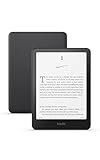
The Kindle (2024 release) is the best e-reader for most people who mainly read books in bed, on the couch, or while traveling and want something small, light, and affordable. Its 6-inch, 300 ppi display is as sharp as the Paperwhite’s for text, its front light is brighter than the previous basic Kindle’s, page turns are faster, and battery life is rated at up to six weeks. The Kindle Essentials Bundle adds a matching Matcha fabric cover and a power adapter, which are the two accessories most buyers end up buying anyway.
Skip the basic Kindle if you read in the bath or by the pool, since it is not waterproof, or if you want warm light for nighttime reading or a larger screen. In those cases the Kindle Paperwhite is worth the extra money. For everyone else, the 2024 basic Kindle covers the essentials very well.
As an Amazon Associate we earn from qualifying purchases at no extra cost to you.

Kindle 2024 Key Specs
| Spec | Kindle (2024 release) |
|---|---|
| Display | 6 inch E Ink, 300 ppi |
| Front light | Adjustable, 4 LEDs, about 25% brighter max than the previous model |
| Storage | 16GB |
| Battery life | Up to 6 weeks (Amazon’s figure at 30 minutes a day) |
| Charging | USB-C |
| Weight | About 5.6 oz |
| Waterproof | No |
| Dark mode | Yes |
| Bundle contents | Kindle (Matcha), Matcha fabric cover, power adapter |
The Essentials Bundle price varies with sales and lock-screen-ad options. Bundles usually cost less than buying the cover and adapter separately.
Who It Is For
- Everyday readers: novels, nonfiction, and long-form reading where a sharp, paper-like screen matters most.
- Travelers and commuters: the 6-inch size fits in a coat pocket or small bag, and weeks of battery life mean no daily charging.
- First-time e-reader buyers: the lowest-cost way into Kindle’s library, Kindle Unlimited, and library borrowing through Libby where supported.
- Kids and teens: a distraction-free device with no apps or social media.
Who Should Choose a Different Kindle
- Bath, pool, and beach readers, who need the Paperwhite’s waterproofing.
- Night readers sensitive to blue-tinted light, who will appreciate the Paperwhite’s adjustable warm light.
- Comic, manga, and PDF readers who want a larger screen.
- Note-takers, who should consider the Kindle Scribe.
What Stands Out
Sharp 300 ppi display
At 300 pixels per inch, text looks crisp and print-like. Earlier entry-level Kindles had lower-resolution screens, and the difference is visible in small fonts.
Brighter front light and dark mode
The brighter front light makes reading easier in dim rooms, and dark mode (white text on black) helps in very dark environments.
Faster page turns
Amazon updated the hardware for quicker page turns and smoother navigation, which makes the store and library menus feel less sluggish.
Small and light
At around 5.6 ounces, it is easy to hold one-handed for long periods. It is the most portable Kindle in the current lineup.
Bundle convenience
The fabric cover protects the screen in a bag and wakes or sleeps the Kindle when opened and closed. The power adapter is useful because Kindles ship with only a USB-C cable.
Trade-offs and Limits
Not waterproof
This is the biggest difference from the Paperwhite. A splash may be fine, but a drop in water is not.
No warm light
The light is a cool white. Some readers prefer the amber tone of warm light at night.
Smaller screen
Six inches is comfortable for novels but cramped for PDFs, comics, and textbooks.
Lock screen ads
The lower-priced version shows ads on the lock screen. You can pay a one-time fee to remove them.
Setup Tips
- Register the Kindle to your Amazon account and turn on Whispersync so progress syncs across devices.
- Adjust font, size, and line spacing in the Aa menu; many readers prefer Bookerly or Amazon Ember at a medium size.
- Turn on dark mode for bedtime reading.
- Use Send to Kindle to transfer documents and EPUB files from your phone or computer.
- Download books before traveling so you can read without Wi-Fi.
- Turn on Airplane Mode while reading to stretch battery life even further.
Kindle 2024 Versus Paperwhite
| Feature | Kindle (2024) | Kindle Paperwhite |
|---|---|---|
| Screen size | 6 inch | 7 inch |
| Resolution | 300 ppi | 300 ppi |
| Waterproof | No | Yes |
| Warm light | No | Yes |
| Size | Most compact | Larger |
Is the Essentials Bundle Worth It?
For most buyers, yes. A cover protects the screen from scratches and pressure in a bag, which is the most common way e-readers get damaged. The fabric cover in the bundle matches the Matcha color and uses a magnetic closure that wakes the Kindle when opened and puts it to sleep when closed, saving a little battery and a button press each time.
The power adapter matters because new Kindles include only a USB-C cable. If you already have a USB-C phone charger, you may not need another, but a dedicated adapter by the bed or in a travel bag is convenient. Buying the bundle is usually cheaper than adding both accessories separately, so if you would buy a cover anyway, it is the better deal.
Reading Experience in Daily Use
E Ink screens reflect light like paper rather than shining light at your eyes, which makes long reading sessions comfortable and keeps the display readable in bright sunlight, where phone and tablet screens wash out. The front light illuminates the screen evenly for reading in dim rooms. Kindle features like built-in dictionary lookups, Word Wise for language learners, highlights, and notes work the same as on more expensive models, and your library syncs across the Kindle app on phones and tablets. Because the device does nothing but reading, it also helps you avoid notifications and distractions.
FAQ
Can I borrow library books?
In the US, many libraries support sending borrowed ebooks to Kindle through Libby.
Does it play audiobooks?
Yes, Audible audiobooks through Bluetooth headphones or speakers.
Is 16GB enough?
Yes. It holds thousands of ebooks.