Key takeaways
- The best bone folders for bookbinding and paper crafts compared by material, size and shape, from genuine cattle bone and Teflon to sturdy plastic picks.
A bone folder is the simplest tool on the bookbinding bench: a smooth, dull-edged wand that scores, creases, folds and burnishes paper without cutting it. Binders use it to fold signatures, work book cloth down over boards, set a joint and flatten glued turn-ins. Paper crafters use the same tool for crisp card folds and clean origami creases. The name comes from the traditional material, cattle bone, but modern folders also come in Teflon and plastic, and the material changes how the tool behaves more than the brand does.
This guide compares five bone folders sold on Amazon, organised by material so you can match the tool to your work: genuine bone for traditional binding and burnishing, Teflon for work around wet glue and paste, and plastic for inexpensive everyday scoring.
As an Amazon Associate, we earn from qualifying purchases.
Quick Answer
For most bookbinders, the VENCINK Genuine Bone Folder is the pick to start with: real cattle bone in the classic six-inch shape, polished smooth so it creases and burnishes without scratching or glazing paper. Choose the CrafTreat Teflon Ergo Square instead if you work with wet paste and glue, and keep the Fiskars Traditional as the low-cost folder for scoring heavy card and rough jobs.
VENCINK Genuine Bone Folder, 6 Inch
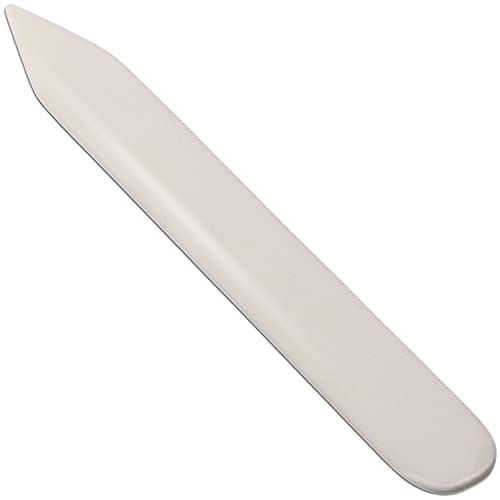
The VENCINK is the classic binder’s folder: a single piece of polished cattle bone with a pointed end for scoring and a rounded end for folding and burnishing. At about six inches long it matches the size most binding instruction assumes, and the natural density of bone gives it a balanced weight that lets the tool do the work without extra hand pressure. Bone glides over paper, fabric and leather without leaving the shiny streak that plastic can press into coated stock, which is why it stays the default for case binding, box making and repair work.
Specs
- Material: genuine cattle bone
- Size: about 6 x 0.8 x 0.2 inches
- Shape: pointed tip at one end, rounded folding edge at the other
- Best for: folding signatures, burnishing, setting joints, general bookbinding
- Tier: mid-range
Because it is a natural material, each piece varies slightly in colour and grain, and a new folder benefits from a light smoothing with very fine abrasive paper before its first use on good paper. Treated that way, it is a buy-once tool.
DEEDYGO Genuine Bone Folder Tool

The DEEDYGO offers the same traditional material at a lower tier. It is carved from 100 percent cattle bone and polished smooth, in the same six-inch format with a tapered point for scoring and a broad edge for creasing. It suits readers building a first repair kit who want real bone rather than plastic but do not need a conservator-grade finish. Expect to spend a few minutes smoothing the edges before use, since budget bone folders often arrive with a slightly sharp point that can scar soft paper if used as it comes.
Specs
- Material: 100 percent cattle bone
- Size: about 6 x 0.8 x 0.2 inches
- Shape: pointed scoring tip with a flat creasing edge
- Best for: first bookbinding kits, journal making, origami and card folds
- Tier: budget
CrafTreat Teflon Bone Folder, Ergo Square

Teflon is the folder material binders reach for when glue is involved. Paste and PVA do not stick to a Teflon surface, so the tool wipes clean instead of dragging adhesive across the work, and it will not absorb moisture from damp paper or book cloth. The CrafTreat Ergo Square takes that material in an unusual direction: instead of a wand, it is a small square block, about three inches across, shaped to sit in the palm with a 45-degree working edge. The wide face burnishes large areas quickly, which makes it useful for covering boards, smoothing cloth and pressing down glued paper over big surfaces.
Specs
- Material: Teflon (PTFE), non-stick
- Size: about 2.95 x 1.95 x 0.25 inches
- Shape: square palm-fit block with a 45-degree edge
- Best for: paste and glue work, covering boards, burnishing wide areas
- Tier: premium
The trade-off is precision. A palm block cannot score a fine line or reach into a tight joint the way a pointed wand can, so most binders pair it with a traditional folder rather than replacing one.
ECOHU Square Bone Folder

The ECOHU keeps genuine bone but changes the geometry. Its square profile puts a broad, flat working face against the paper, spreading pressure over a wider area than a wand-shaped folder. That makes it a natural fit for burnishing book cloth, flattening glued endpapers and smoothing large folds where a narrow edge might leave a track. The polished bone surface is non-scratch on paper and leather, and the compact square sits flat on the bench instead of rolling away between tasks.
Specs
- Material: genuine bone
- Shape: square, broad flat working face
- Best for: burnishing cloth and endpapers, wide folds, flattening glued paper
- Tier: mid-range
Like the CrafTreat, it is a companion shape rather than an all-rounder: there is no fine point for scoring, so detailed crease work still calls for a pointed folder alongside it.
Fiskars Traditional Bone Folder, 6 Inch

The Fiskars is the plastic workhorse of the group. The six-inch white folder has a pointed end for scoring and a wide end for creasing, and because it is moulded plastic it shrugs off drops, glue and rough treatment that would chip bone. Plastic can press a slight shine into coated or dark paper if you bear down while burnishing, so it is not the tool for final finishing on fine work. It is, however, exactly right for scoring heavy card, folding boxes, classroom and workshop use, and as the folder you keep near the paste pot so the good bone one stays clean.
Specs
- Material: plastic
- Size: 6 inches long
- Model: 157650-1001
- Shape: pointed scoring tip, wide creasing end
- Best for: scoring card, boxes, everyday craft folding, beginners
- Tier: budget
How to Choose
Start with the material. Genuine bone is the traditional choice for a reason: it is smooth, slightly warm in the hand, and burnishes a crease instead of merely pressing it, without glazing most papers. Teflon is the specialist for wet work because glue and paste release from it and it never absorbs moisture. Plastic is the budget and rough-work option, durable and cheap, with the single drawback that hard burnishing can leave a shine on coated stock.
Match the shape to the job. A pointed wand scores lines, folds signatures and works into joints, and it is the only shape most binders need. Square and palm shapes trade that precision for a broad burnishing face, which earns its place when you cover boards or flatten a lot of glued paper. Many benches end up with one of each.
Check the length. Six inches is the standard for hand binding: long enough to fold a signature in one stroke, short enough to control at a joint. Longer eight-inch folders exist for large-format work, and shorter scorers suit card making at a desk.
Plan a minute of preparation. New folders, bone and plastic alike, can arrive with a sharp point or faint moulding ridges. A light pass with fine abrasive paper, then a polish on scrap leather or denim, makes the tool safe for good paper.
Think about glue habits. If you paste out cloth and paper all day, keep either a Teflon folder or a cheap plastic one for wet stages and save the bone folder for dry folding and finishing.
Who Should Skip These Picks
Skip this roundup if you only fold the occasional card or letter: a plastic folder alone, or even the edge of a ruler, covers that need and the differences above will never show. Skip genuine bone if you avoid animal-derived materials; Teflon and plastic folders do the same jobs with a small trade-off in feel. And skip every pick here if your work is machine production rather than hand binding, since these are hand tools sized for bench work, not pressroom equipment.
Frequently Asked Questions
What is a bone folder used for in bookbinding?
Binders use it to score and fold signatures, crease paper cleanly, work book cloth over boards, set the joint of a case binding and burnish glued turn-ins flat. The dull edge concentrates pressure into a line without cutting fibres, so folds land sharp and covers sit tight.
Is a real bone folder better than a plastic one?
For finishing work, usually yes. Bone glides smoothly and burnishes a crease without leaving the shiny mark plastic can press into coated paper, and it feels more controlled in the hand. Plastic wins on durability and cost, and it is the smarter choice around glue or for scoring heavy card.
Why do binders use Teflon bone folders with glue?
Paste and PVA do not stick to Teflon, so the folder wipes clean instead of smearing adhesive across paper or cloth. Teflon also absorbs no moisture, which keeps it stable on damp, pasted-out materials where bone can pick up water and drag.
How do you prepare a new bone folder before using it?
Check the point and edges first. If they feel sharp or ridged, smooth them with very fine abrasive paper, working to progressively finer grits, then polish the surface on scrap leather or denim. That minute of preparation stops a new tool from scratching or cutting the first sheet it touches.
Final Verdict
Buy the VENCINK Genuine Bone Folder if you want one traditional tool that covers folding, scoring and burnishing for hand bookbinding. Add the CrafTreat Teflon Ergo Square when paste and board covering enter your work, choose the ECOHU Square for wide burnishing in real bone, and keep the DEEDYGO as the low-cost way into genuine bone or the Fiskars as the folder that takes the rough jobs.
Product and ASIN Reference
| Product | ASIN |
|---|---|
| VENCINK Genuine Bone Folder, 6 Inch | B01MT6U2OO |
| DEEDYGO Genuine Bone Folder Tool | B07N4DNF8Y |
| CrafTreat Teflon Bone Folder, Ergo Square | B07QWNZT9N |
| ECOHU Square Bone Folder | B08P45LF89 |
| Fiskars Traditional Bone Folder, 6 Inch | B0044WVSUG |
More from Amazon
Programs that pair well with the guide above. Offers and eligibility are set by Amazon and may change.
Read from a large library of eBooks and audiobooks on any device. Check Amazon for current plans.
Explore Kindle UnlimitedAudiobooks and podcasts to listen to on the go. Eligible new members can start with a free trial.
Try Audible freeFree shipping on eligible items, Prime Video and more. Eligible new members can start with a free trial.
Start a Prime free trialAd-free music streaming. Eligible new subscribers can start with a free trial.
Try Music Unlimited freeAs an Amazon Associate we earn from qualifying purchases.